Why Multiplayer Strategy Games Are the Ultimate Test of Teamwork and Tactics
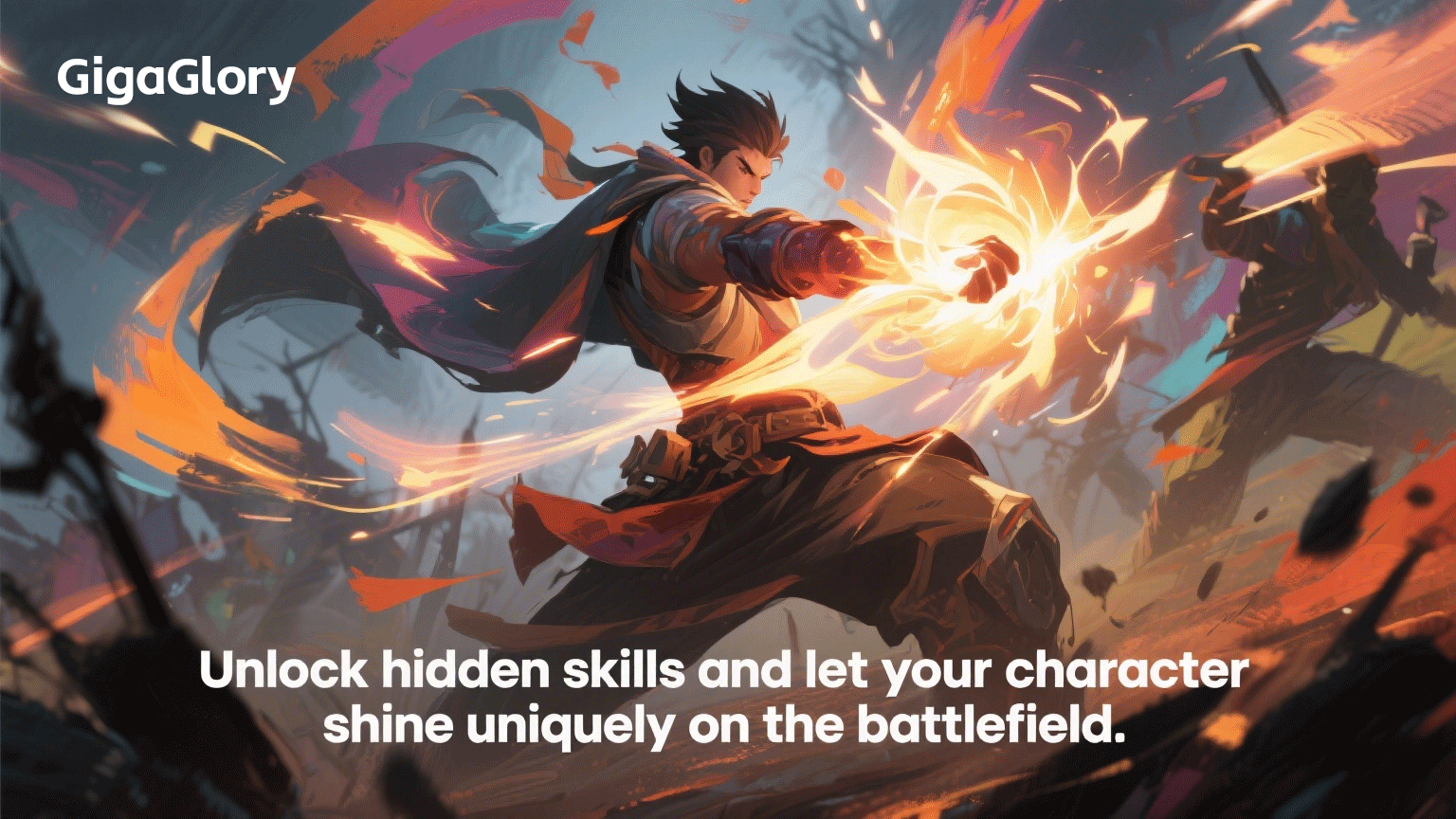
In today's gaming world, multiplayer games, especially strategy games, are not just entertainment; they are platforms where players engage in a dance of intellect and cooperation. Whether it's leading armies in epic battles or forging alliances in virtual worlds, these games offer a unique blend of teamwork, tactics, and even a dash of creativity. But why do these games hold such allure? Let's delve into the heart of multiplayer strategy games.
The Allure of Multiplayer Strategy Games
From chess to real-time strategy games, the core mechanic remains the same: players must think critically, plan ahead, and react swiftly. What sets multiplayer strategy games apart is their dynamic environments. When humans engage, the game evolves into something much richer than AI could ever provide.
Teamwork: The Core Ingredient
Teamwork is essential in multiplayer strategy games. These games create scenarios where success is impossible without the collaboration of players. You cannot win solely based on individual skill; it's about symbiotic relationships and understanding your teammates’ strengths and weaknesses.
Strategic Depth
Multiplayer strategy games often offer layers of strategic depth that challenge players at every corner. An experienced player knows when to go on the offensive, when to fortify defenses, and when to be diplomatic. This balancing act keeps players engaged and invested in the outcome.
Engaging Storylines
Another fascinating aspect is found in the ios games best story. Many strategy games incorporate rich lore that enhances the gameplay. Players are not merely moving pieces on a board; they become immersed in epic tales of heroism and conflict. The narrative can provide the emotional drive for players to invest time and effort into their teams.
Adapting to Change
Multiplayer strategy games constantly present new challenges. Players must adapt their strategy based on the decisions of opponents and the evolving scenarios on the battlefield. This adaptability hones critical decision-making skills that can transcend gaming into real-world applications.
Building Community Through Competition
These games help foster communities. Competitive waves create a sense of camaraderie among players. When you battle alongside friends or meet new allies, the shared experience enhances the engagement. It’s not just about winning; it’s about making connections.
Challenge Your Cognitive Skills
Just like exercising your body, these games challenge your mind. Players need to execute plans, predict enemy moves, and analyze situations quickly. This cognitive exercise can be fun and improve your problem-solving skills in daily life.
Learning from Defeats
Failures are stepping stones to success in multiplayer strategy games. Every loss teaches valuable lessons about tactics, resource management, and interpersonal communication. Embracing defeat leads to growth, making the victories even sweeter.
Innovation in Gameplay
Today's multiplayer games are more innovative than ever, offering unique gameplay mechanics that require players to think outside the box. This innovation keeps the community vibrant and eager for what's next.
Tactical Variety: More Than Just Resource Management
Players often think of strategy games as purely resource management. However, tactical variety abounds, incorporating elements like terrain advantages, unit types, and player roles. This diversity enriches gameplay and ensures that no two matches ever feel alike.
Involving All Senses
Exceptional graphics, captivating soundtracks, and engaging animations create an immersive experience. The best multiplayer strategy games captivate players’ senses, drawing them into an intricate web of visuals and sounds.
The Psychology Behind Cooperative Play
Research suggests that cooperative games can have a beneficial effect on mental health. Players experience joy and fulfillment through teamwork, which can combat feelings of loneliness and isolation.
Example Strategy Game: Clash of Clans
| Feature | Description |
|---|---|
| Clan System | Allows players to team up, share resources, and support each other in battles. |
| Building and Strategy | Players must build their base, choose defensive strategies, and attack other players intelligently. |
| Competitive Events | In-game tournaments encourage participation and teamwork. |
Lessons from Top Players
- Communication Is Key: Top players often cite communication as vital for strategic success.
- Take Risks: Calculated risks often lead to high rewards.
- Practice Precision: Sharpening tactics through practice ensures preparedness.
Conclusion
In conclusion, multiplayer strategy games represent a unique intersection of teamwork, tactics, and innovation. They challenge players both mentally and socially, making them one of the most engaging game genres. As you embark on your next multiplayer adventure, remember that every challenge you face, every strategy you devise, and every teammate you connect with is a step towards mastering the ultimate test of collaboration and cunning.